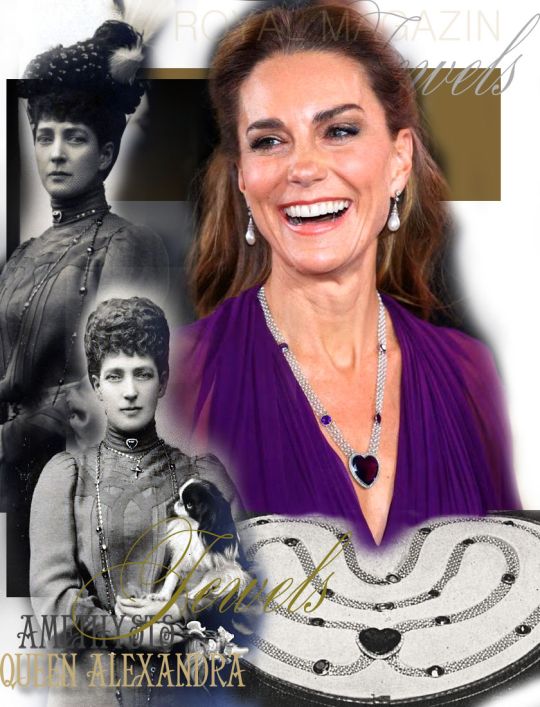
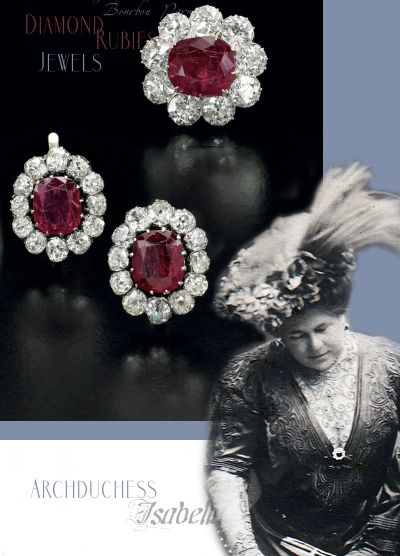
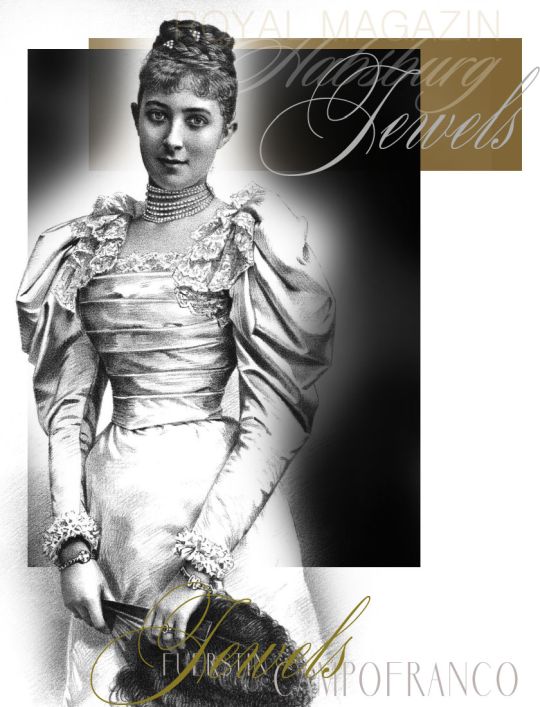
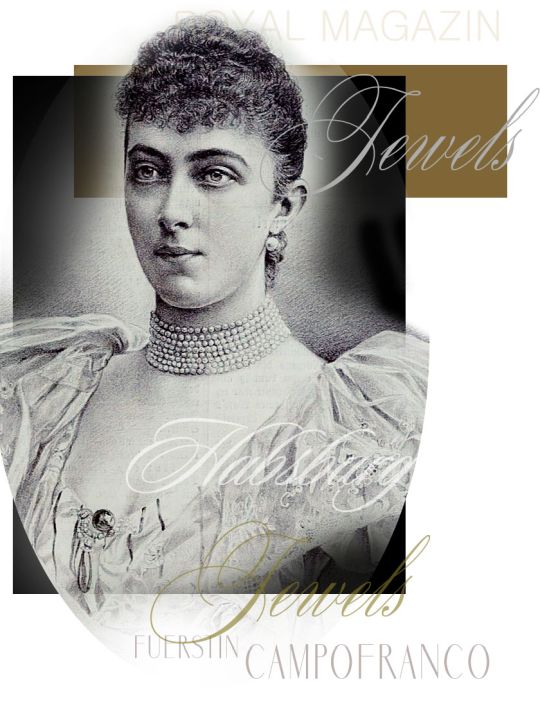
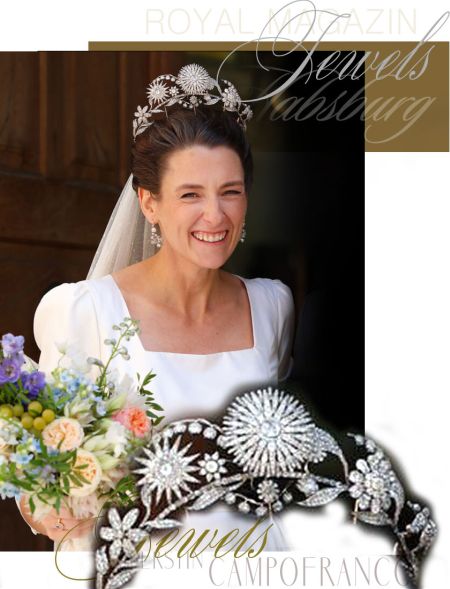
Wedding Franziska Countess of Kuenburg -Princess Campofranco’s Diamond Floral Tiara

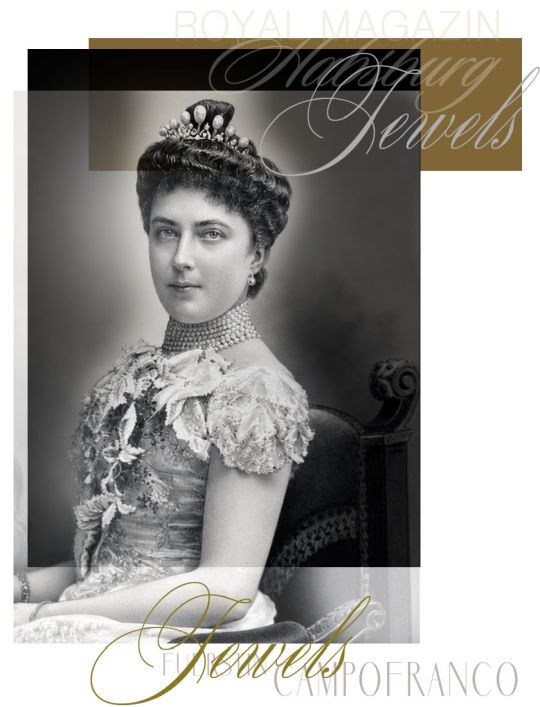
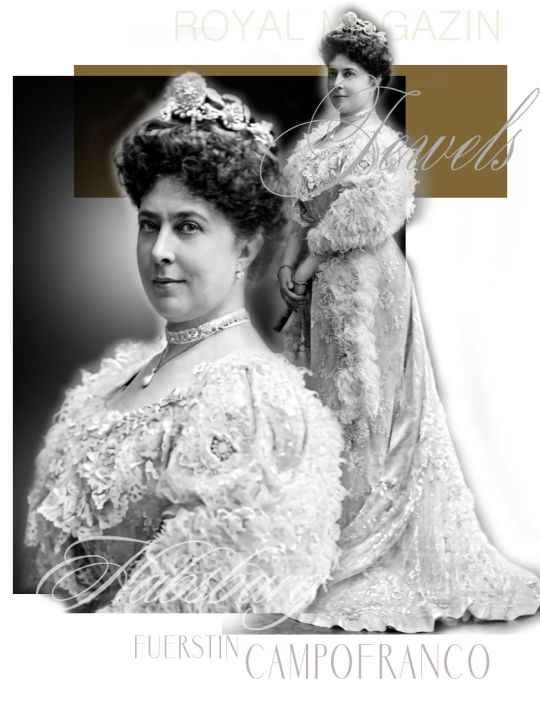
Countess Marie Raineria Waideck | Princess of Campofranco | Daughter of Archduke Heinrich of Austria | Royal Imperial Wedding Jewels

Countess Marie Raineria Waideck | Princess of Campofranco | Daughter of Archduke Heinrich of Austria | Royal Imperial Wedding Jewels

Gräfin Marie Reineria Waideck Lucchesi Palli| Fürstin Campofranco | Tochter von Erzherzog Heinrich von Österreich Royal Imperial Wedding Jewels

Part of the imperial emerald parure - emerald brooch Gräfin Marie Reineria Waideck Lucchesi Palli| Fürstin Campofranco | Tochter von Erzherzog Heinrich von Österreich Royal Imperial Wedding Jewels

Die Hochzeitsgeschenke der Gräfin Marie Raineria Waideck| Fürstin Campofranco Juwelen
Part of the imperial emerald parure – emerald brooch Gräfin Marie Reineria Waideck Lucchesi Palli| Fürstin Campofranco

Die Hochzeitsgeschenke der Gräfin Marie Raineria Waideck| Fürstin Campofranco Juwelen

Die Hochzeitsgeschenke der Gräfin Marie Raineria Waideck

Diamantdiadem mit großen Tropfenperlen aus dem Hochzeitsgeschenk der Eltern des Bräutigams, Herzog und Herzogin della Grazia, an Gräfin Marie Raineria Waideck anlässlich ihrer Vermählung mit Prinz Enrico Lucchesi Palli von Campofranco im Jahr 1892. Zur Garnitur gehörten außerdem eine passende Brosche und Ohrgehänge. Der zeitgenössische Bericht beschreibt die Tropfperlen des Diadems als „haselnussgroß“.

Die Hochzeitsgeschenke der Gräfin Marie Raineria Waideck

Die Geschenke, welche Gräfin Marie Raineria Waideck anlässlich ihrer Vermählung erhielt, waren nach dem zeitgenössischen Bericht ebenso zahlreich wie kostbar. Gemeinsam mit dem Trousseau wurden die Hochzeitsgeschenke am Sonntag und Montag vor der Hochzeit in drei Salons im dritten Stock des Palais Rainer zur allgemeinen Besichtigung ausgestellt.
Diamantdiadem mit großen Tropfenperlen aus dem Hochzeitsgeschenk der Eltern des Bräutigams, Herzog und Herzogin della Grazia

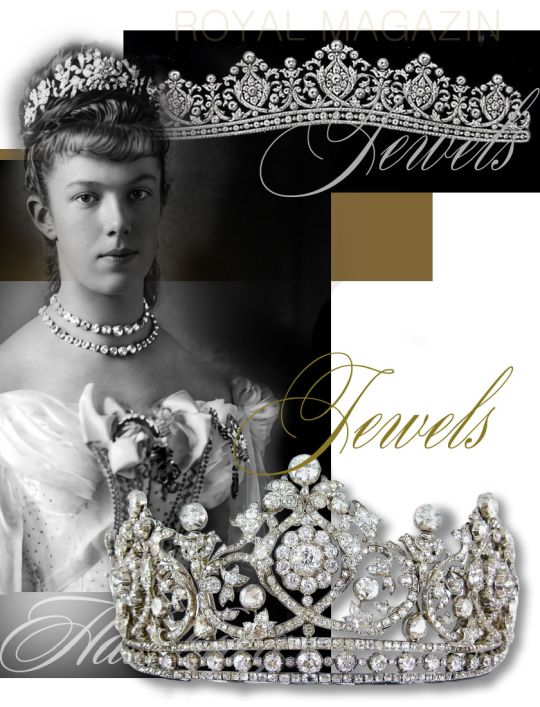
Princess of Campofranco’s Great Diamond Floral Tiara

Princess of Campofranco's Great Diamond Floral Tiara

Among the most impressive jewels associated with Princess Marie Raineria of Campofranco was this magnificent nineteenth century diamond tiara. It was probably created around 1860 and appears to have come from her mother, Leopoldine, Baroness von Waideck, wife of Archduke Heinrich of Austria.

The design is characteristic of the naturalistic floral jewels fashionable around the middle of the nineteenth century. Rather than forming a rigid and evenly graduated coronet, the diamond ornaments are arranged like a flowering bouquet or a group of branches spreading outwards from the centre.

At the heart of the composition rises an exceptionally large diamond starburst, its numerous rays radiating around a brilliant centre. From this dominant central ornament, the design appears to open towards either side, much like the stems and branches of a bouquet.

The tiara combines several different botanical and celestial motifs. Large diamond flower heads are interspersed with smaller blossoms, while delicate sprigs of lily of the valley rise between diamond set leaves. A further large star or sunburst provides another brilliant point within the composition.

The combination of stars, flower heads, lily of the valley and naturalistic foliage is characteristic of the nineteenth century fascination with jewels inspired by nature. Individual floral and star elements may originally have been conceived to allow different arrangements or uses, a feature frequently encountered in important nineteenth century jewellery.

An interesting comparison can be made with the Kinsky Flower Tiara, another magnificent nineteenth century floral jewel. Its naturalistic arrangement of diamond flowers and foliage illustrates the same taste for transforming botanical forms into elaborate head ornaments. In both jewels, the flowers are not confined within a conventional tiara outline but rise at different heights and spread across the head like a flowering branch or bouquet.

The Campofranco tiara is particularly striking for the combination of these naturalistic floral sprays with its great radiating diamond stars, creating a composition in which flowers, foliage and celestial motifs merge into one spectacular diamond ornament.
Princess of Campofranco’s Great Diamond Floral Tiara

The Wedding Gifts of Countess Marie Raineria Waideck| Imperial Habsburg

Wedding Franziska Countess of Kuenburg -Princess Campofranco's Diamond Floral Tiara Franziska Gräfin von Kuenburg und Max Graf von Hoyos Royal Jewels, Royal Jewellery, Royal Tiara, Diamond Tiara, Flower Tiara, Floral Tiara, Historic Jewels, Historical Jewellery, Antique Jewellery, Wedding Jewels, Bridal Tiara, Heirloom Jewels, Family Jewels, Habsburg, House of Habsburg, Austrian Imperial Family, Campofranco, Kuenburg, Hoyos, Lucchesi Palli, Castel Sallegg, Royal Wedding, Noble Wedding, Jewellery History, Royal History, Royal Magazin
Wedding Franziska Countess of Kuenburg -Princess Campofranco’s Diamond Floral Tiara |Franziska Gräfin von Kuenburg und Max Graf von Hoyos

Wedding Franziska Countess of Kuenburg -Princess Campofranco’s Diamond Floral Tiara

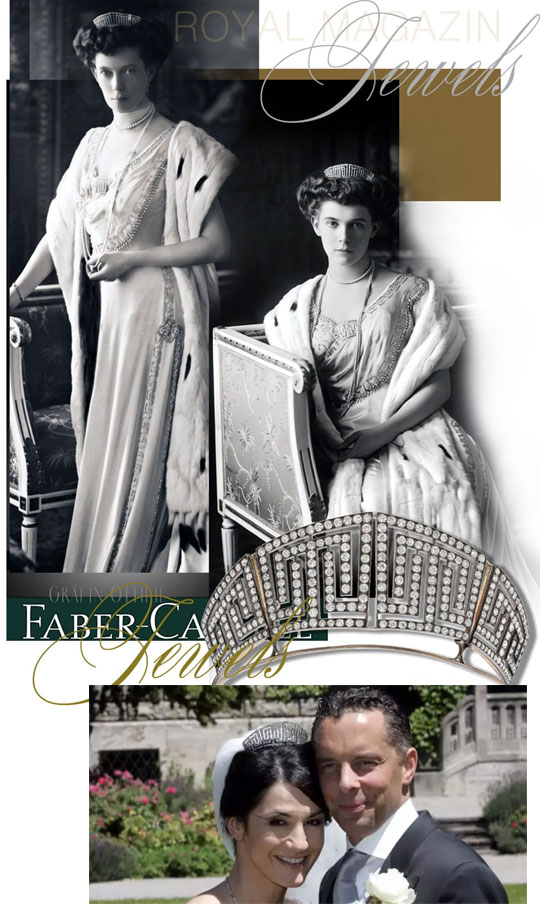
Countess Ottilie von Faber-Castell’s Greek Key Diamond Tiara

Meander Diamond Tiara |Countess Ottilie von Castell Rüdenhausen|Gräfin Faber Castell | German Noble Family

Faber-Castell Diamond Tiara -Countess Ottilie von Faber-Castell’s Greek Key Diamond Tiara
Meander Diamond Tiara |Countess Ottlie von Castell Rüdenhausen|Gräfin Faber Castell | German Noble Family, Faber Castell jewels, Faber-Castell jewelry, Faber-Castell Boucheron Tiara Diamond Meander Kokoshnik
Countess Ottilie von Faber-Castell’s Greek Key Diamond Tiara- Kokoshnik
Meander Diamond Tiara |Countess Ottlie von Castell Rüdenhausen|Gräfin Faber Castell | German Noble Family

Archduchess Marie Valerie of Austria Diamond Tiara Köchert | Wedding Gifts |Imperial Habsburg

Archduchess Marie Valerie of Austria Diamond Tiara Köchert | Wedding Gifts |Imperial Habsburg Archduke Ludwig Victor presented the bride with a broad diamond diadem set with stones of every size, see above in the sketch and as real tiara. Marie Valerie's Diamond Tiara - Archduchess Marie Valerie's Diamond Köchert Tiara - Wedding present royal tiaras 1890
Archduchess Marie Valerie of Austria Diamond Tiara Köchert | Wedding Gifts |Imperial Habsburg Archduke Ludwig Victor presented the bride with a broad diamond diadem set with stones of every size, see above in the sketch and as real tiara. Marie Valerie’s Diamond Tiara – Archduchess Marie Valerie’s Diamond Köchert Tiara – Wedding present royal tiaras 1890

Archduchess Marie Valerie of Austria Diamond Tiara Köchert | Wedding Gifts |Imperial Habsburg

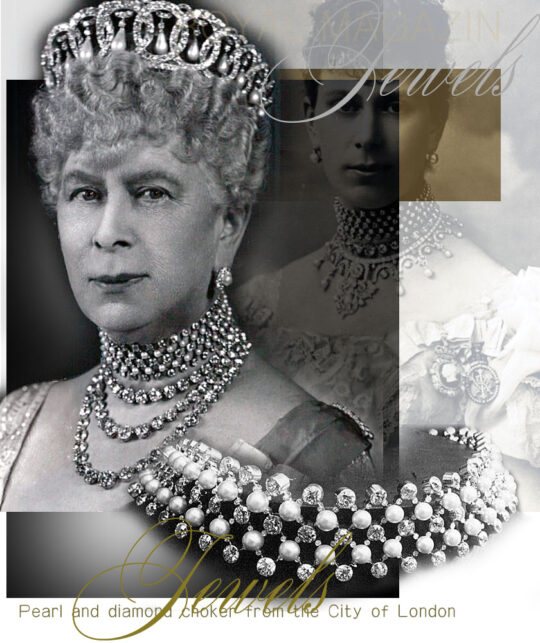
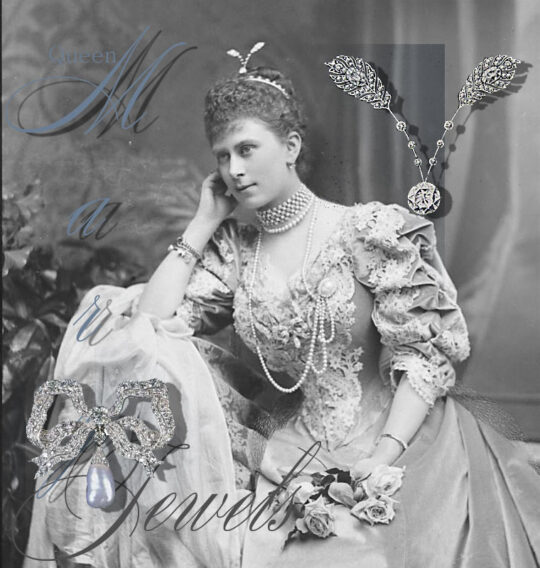
Queen Mary’s City of London Diamond and Pearl Choker

Queen Mary’s City of London Diamond and Pearl Choker

Queen Mary’s City of London Diamond and Pearl Choker, royal wedding gift, collier de chien, dog collar,collorette,diamondcollorette,pearls and diamond choker,perl and diamond collier de cien,britishroyaljewels,1893,garrard,city of London gift
Queen Mary’s City of London Diamond and Pearl Choker, royal wedding gift,

Queen Mary’s City of London Choker Necklace| British Royal Jewels Queen Mary England

Queen Mary's City of London Choker Necklace|Pearl and Diamond Choker Bracelet, Wedding Gift,wedding gift of the City of London, British Royal Jewels Queen Mary England diamond diamonds,collection,joaillier,Joaillerie,history,thistles in diamond,royals,english royal family england,english,uk,britishroyals,windsors,royaljewels,history,monarchy,joyas,reales,queen,the queen,queen diamonds,the queen's,queen marys necklace,queen marys diamond necklace,diamond pearl choker,collier de chien,dog collar,diamond and pearl chollier dde chien, diamond and jpearl dog collar,queen marys's choker,queen marys wedding gifts,historic jewels

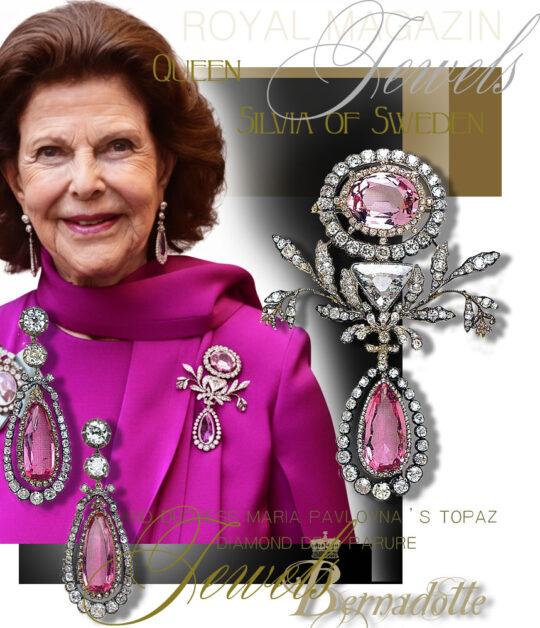
Grand Duchess Maria Pavlovna’s Pink Topaz and Diamond Demi Parure| Queen Silvia of Sweden’s|Bernadotte Royal Jewels

Grand Duchess Maria Pavlovna's Pink Topaz and Diamond Demi Parure| Queen Silvia of Sweden's|Bernadotte Royal Jewels
Grand Duchess Maria Pavlovna’s Pink Topaz and Diamond Demi Parure| Queen Silvia of Sweden’s|Bernadotte Royal Jewels SwedishRoyalJewels JewelsWithHistory queen pinktourmaline pinktopas royaljewellery royaljewels bernadotte grandduchess mariapavlovna romanov parure royalfamily royals swedishroyalfamily topaz stomacher maria pavlovna Historic Jewels

Grand Duchess Maria Pavlovna’s Pink Topaz and Diamond Demi Parure| Queen Silvia of Sweden’s|Bernadotte Royal Jewels

Queen Elizabeth The Queen Mother’s Palm Leaf Brooch| Queen’s Brooch| Queen Camilla

Designed in 1938, this exquisite brooch is shaped like a curling oriental palm leaf. It was specially commissioned by Queen Elizabeth The Queen Mother using diamonds from her own collection.

Queen Elizabeth The Queen Mother’s Palm Leaf Brooch| Queen's Brooch| Cartier Brooch royal jewels royal brooches, the queens brooches, paisley brooch, mango brooch, cartier brooch, Queen Diamond brooch palm leaf diamond brooch
Queen Elizabeth The Queen Mother’s Palm Leaf Brooch| Queen’s Brooch|
The Queen Elizabeth II and her diamond palm leaf brooch made by CartierQueen Elizabeth The Queen Mother’s Palm Leaf Brooch| Queen's Brooch| Cartier Brooch royal jewels royal brooches, the queens brooches, paisley brooch, mango brooch, cartier brooch, Queen Diamond brooch palm leaf diamond brooch
Queen Elizabeth II’s Jewels The Queen Elizabeth II and her diamond palm leaf brooch made by CartierQueen Elizabeth The Queen Mother’s Palm Leaf Brooch| Queen’s Brooch| Cartier Brooch
The Royal Family westminsterabbey london for Commonwealth Day Queen Camilla is wearing a red crepe wool dress and coat by Fiona Clare. The hat is by Phillip Treacy. The palm leaf brooch once belonged to The Queen Mother. Cartier Palm Leaf Brooch, Queen Mothers Cartier Palm Leaf Brooch, Cartier Platinum brooch, paisley brooch with diamonds, Diamond Pailey brooch, Queen Mothers Diamond Brooches.
London 2026 Westminster Abbey – Commonwealth Day -The Royal Family Westminster abbey London for Commonwealth Day Queen Camilla is wearing a red crepe wool dress and coat by Fiona Clare. The hat is by Phillip Treacy. The palm leaf brooch once belonged to The Queen Mother. Queen Mothers Diamond Brooches.

Queen Sophia of Sweden’s Sapphire and Diamond Brooch|Queen of Sweden|Princess Sophia of Nassau Royal Jewels

Queen Sofia of Sweden’s large sapphire and diamond brooch – pendant. A Burmese sapphire, imperial diamonds — and a surprising Franco-Swedish peace gesture

Queen Sophia of Sweden's Sapphire and Diamond Brooch|Queen of Sweden|Princess Sophia of Nassau Royal Jewels
Queen Sophia of Sweden’s Sapphire and Diamond Brooch|Queen of Sweden|Princess Sophia of Nassau Royal Jewels


This deep blue Burmese sapphire framed by a double border of brilliant-cut diamonds was presented by Napoléon III to the then Duchess of Östergötland during her visit to Paris in 1865.

That same year, Napoléon III (a first cousin of Sophie’s mother-in-law, Dowager Queen Joséphine) even stood godfather to Sophie’s youngest child: Prince Eugen Napoleon Nicolaus.

Queen Sofia of Sweden’s Sapphire and Diamond Brooch|Queen of Sweden|Princess Sophia of Nassau Royal Jewels

The Crown of Empress Eugénie of France


Crown of Empress Eugenie of France
Restauration de la Couronne de l'impératrice Eugénie de France - Musée du Louvre
Crown of Empress Eugenie Restauration
de la Couronne de l’impératrice Eugénie Musée du Louvre – Département des Objets d’art

Found at the foot of the Galerie d’Apollon, the Crown of Empress Eugénie narrowly escaped complete destruction after falling from its display on 19 October 2025 during the violent incident at the Louvre Museum. One element of a diamond-and-emerald palmette was discovered not far from the window in which the crown had been exhibited in the Galerie d’Apollon.

Although the crown suffered severe crushing and was found to be significantly deformed, it retained its near-complete structural integrity, making a full restoration possible.


Crown of Empress Eugenie of France
Restauration de la Couronne de l'impératrice Eugénie de France - Musée du Louvre
Crown of Empress Eugenie of France
Restauration de la Couronne de l’impératrice Eugénie de France – Musée du Louvre

Initial Official Assessment – 20 October 2025

Seized by the Judicial Police for investigation, the crown was transferred on 20 October 2025 to the Department of Decorative Arts. A first official assessment was carried out by Olivier Gabet, Director of the Department, together with Anne Dion, Deputy Director and curator responsible for this section of the collections.

The following observations were recorded:

  • The crown, whose structure is light and flexible, suffered deformation, most likely caused by the tension exerted while it was forced through the relatively narrow window opening. This constraint resulted in the separation of the crown’s arches, one of which was already lost in the gallery. A subsequent violent impact caused further crushing of the structure.
  • Originally, the crown comprised eight diamond-and-emerald palmettes, alternating with eight gold eagles. Today, only one element is missing. All palmettes have been recovered, including four that were detached from the frame, some of them deformed.
  • The orb of diamonds and emeralds remains intact and fully integrated into the structure of the crown, with no loss of elements.
  • Originally composed of 56 emeralds, the crown still retains them all. Of the 1,354 diamonds, only about a dozen very small stones are missing from the perimeter of the base, while nine have become detached but remain preserved.

Although the overall form of the crown has been altered, almost all of its original components survive. Only a single decorative element is missing. The crown can therefore be fully restored without reconstruction or replacement, through a careful reshaping of its framework.

Crown of Empress Eugenie  Restauration
de la Couronne de l'impératrice Eugénie
Crown of Empress Eugenie of France
Restauration de la Couronne de l’impératrice Eugénie de France – Musée du Louvre

The Restoration Process and the Advisory Committee

As with all works held in the French national collections, the restoration of the crown will be entrusted to an accredited conservator, selected through a competitive process in accordance with the Heritage Code, Museum Law, and Public Procurement Code. Detailed and highly technical reports will be prepared in this context.

Given the exceptional and symbolic nature of this restoration, and the unique character of the object itself, the work of the selected conservator will be accompanied by an advisory committee of experts, whose role will be to provide independent guidance on both restoration decisions and methodology.

Chaired by Laurence des Cars, President and Director of the Louvre Museum, the committee will consist of the following members:

  • Anne Dion, Deputy Director of the Department of Decorative Arts, Louvre Museum
  • Michèle Heuzé, jewellery and gem historian
  • Anaïs Alchus, curator of Second Empire decorative arts, Musée d’Orsay
  • François Farges, mineralogist and professor at the National Museum of Natural History
  • Emmanuel Plé, head of the historic metals workshop, decorative arts sector, C2RMF
  • Olivier Gabet, Director of the Department of Decorative Arts, Louvre Museum

In addition, a representative from each of the five historic French jewellery houses—Mellerio, Chaumet, Cartier, Boucheron, and Van Cleef & Arpels—will be invited to participate, particularly senior workshop heads and master craftsmen whose houses are historically linked to the Crown Diamonds.

Crown of Empress Eugenie  Restauration
de la Couronne de l'impératrice Eugénie
Crown of Empress Eugenie of France
Restauration de la Couronne de l’impératrice Eugénie de France – Musée du Louvre

Immediately following the incident of 19 October 2025 and the recovery of the crown, each of these houses expressed their wish to support the restoration of this iconic object. The Louvre Museum extends its sincere thanks to these exceptional houses for their commitment and for sharing their expertise.


History of the Crown of Empress Eugénie

In preparation for the Exposition Universelle of 1855, Napoleon III commissioned the jeweller of the Emperor, Alexandre Gabriel Lemonnier, to create two crowns: one for himself and one for the Empress. For this prestigious project, Lemonnier collaborated with several specialists. The sculptor Gilbert (1816–1891) was likely responsible for modelling the long-winged eagles that form the arches of the crown, alternating with diamond palmettes. The jeweller Pierre Maheu (1807–1866) was engaged as workshop director, while Devin, Inspector of the Crown Diamonds, oversaw the selection and arrangement of the stones.

When exhibited in 1855, contemporary commentators described the Empress’s crown as “lighter and clearer” than that of the Emperor, while still possessing sufficient ceremonial dignity (Arnoux, 1856).

After the fall of the Empire, the Civil List was liquidated. Because Napoleon III had enriched the Crown Diamonds collection at his own expense, the crown was returned to Empress Eugénie in 1875, following his death. This restitution saved the crown from destruction, unlike the Emperor’s crown, which was dismantled in 1887 when the Crown Diamonds were ordered to be sold by the Third Republic.

Crown of Empress Eugenie  Restauration
de la Couronne de l'impératrice Eugénie de France
Crown of Empress Eugenie Restauration
de la Couronne de l’impératrice Eugénie de France

In 1920, Empress Eugénie bequeathed the crown to Princess Marie-Clotilde Napoléon, Countess of Witt, her niece and goddaughter. The Louvre Museum acquired it in 1988.

 Princess Marie-Clotilde Napoléon, Countess of Witt
Princess Marie-Clotilde Napoléon, Countess of Witt

Although it was never used for a coronation—and may never have been worn, as Empress Eugénie was never crowned—the Crown of Empress Eugénie stands today, alongside the Crown of Louis XV and the so-called Crown of Charlemagne, as one of the very few surviving historic French crowns.


Die Krone der Kaiserin Eugénie

4. Februar 2026

Am Fuß der Apollo-Galerie aufgefunden, entging die Krone der Kaiserin Eugénie am 19. Oktober 2025 nur knapp der vollständigen Zerstörung, nachdem sie bei dem gewaltsamen Vorfall im Louvre-Museum aus ihrer Vitrine gestürzt war. Ein Element einer Palmette aus Diamanten und Smaragden wurde unweit des Fensters entdeckt, in dem die Krone in der Galerie d’Apollon ausgestellt gewesen war.

Obwohl die Krone eine massive Quetschung erlitt und stark deformiert aufgefunden wurde, blieb ihre nahezu vollständige strukturelle Integrität erhalten. Dies macht eine vollständige Restaurierung möglich.


Erste staatliche Begutachtung – 20. Oktober 2025

Nach der Sicherstellung durch die Kriminalpolizei wurde die Krone am 20. Oktober 2025 an die Abteilung für Kunstgegenstände übergeben. Dort erfolgte eine erste offizielle Zustandsaufnahme durch Olivier Gabet, Direktor der Abteilung, gemeinsam mit Anne Dion, stellvertretende Direktorin und zuständige Kuratorin.

Dabei wurden folgende Punkte festgestellt:

  • Die Krone, deren Aufbau leicht und flexibel ist, wurde insbesondere durch die Spannung beim Herausziehen durch den relativ schmalen Fensterschlitz deformiert. Diese Belastung führte zur Trennung der Kronbögen, von denen einer bereits in der Galerie verloren ging. Ein weiterer heftiger Aufprall verursachte anschließend eine zusätzliche Quetschung der Krone.
  • Ursprünglich bestand die Krone aus acht Palmetten aus Diamanten und Smaragden, die sich mit acht goldenen Adlern abwechselten. Heute fehlt lediglich ein Element. Sämtliche Palmetten wurden geborgen, darunter vier, die sich vom Rahmen gelöst hatten und teilweise deformiert sind.
  • Die Kugel aus Diamanten und Smaragden ist vollständig intakt und weiterhin fest in die Struktur der Krone integriert.
  • Die Krone bestand ursprünglich aus 56 Smaragden und trägt sie noch immer vollständig. Von den 1.354 Diamanten fehlen lediglich rund ein Dutzend sehr kleiner Steine aus dem Randbereich der Basis; neun weitere haben sich gelöst, sind jedoch erhalten.

Auch wenn die Form der Krone verändert wurde, sind nahezu alle ursprünglichen Bestandteile noch vorhanden. Es fehlt lediglich ein dekoratives Element. Eine vollständige Restaurierung ohne Rekonstruktion oder Ersatz ist daher möglich; erforderlich ist vor allem eine Neuausrichtung und Stabilisierung des Rahmens.


Die Restaurierung und der beratende Ausschuss

Wie bei allen Werken der französischen Nationalmuseen wird die Restaurierung der Krone einem zugelassenen Restaurator anvertraut, der im Rahmen eines Wettbewerbs ausgewählt wird. Dabei werden die Vorgaben des Kulturerbekodex, des Museumsgesetzes und des öffentlichen Vergaberechts eingehalten. In diesem Zusammenhang werden detaillierte und technisch fundierte Gutachten erstellt.

Angesichts des außergewöhnlichen symbolischen Charakters dieser Restaurierung und der Einzigartigkeit des Objekts wird die Arbeit des Restaurators von einem beratenden Ausschuss aus Fachleuten begleitet, der unabhängig Empfehlungen zur Restaurierung und Methodik geben wird.

Den Vorsitz führt Laurence des Cars, Präsidentin und Direktorin des Louvre-Museums. Dem Ausschuss gehören an:

  • Anne Dion, stellvertretende Direktorin der Abteilung für Kunstgegenstände, Louvre
  • Michèle Heuzé, Schmuck- und Juwelenhistorikerin
  • Anaïs Alchus, Kuratorin für dekorative Künste des Zweiten Kaiserreichs, Musée d’Orsay
  • François Farges, Mineraloge und Professor am Nationalmuseum für Naturgeschichte
  • Emmanuel Plé, Leiter der Werkstatt für historische Metalle, C2RMF
  • Olivier Gabet, Direktor der Abteilung für Kunstgegenstände, Louvre

Ergänzend wird jeweils ein Vertreter der fünf historischen französischen Schmuckhäuser Mellerio, Chaumet, Cartier, Boucheron und Van Cleef & Arpels eingeladen, insbesondere Werkstattleiter und Meister ihres Fachs, deren Häuser historisch eng mit den Juwelen der Krone verbunden sind.

Unmittelbar nach dem Vorfall vom 19. Oktober 2025 und der Bergung der Krone bekundeten alle fünf Häuser ihren Wunsch, die Restaurierung dieses ikonischen Werkes zu unterstützen. Das Louvre-Museum dankt ihnen ausdrücklich für ihre Bereitschaft und den Beitrag ihrer fachlichen Expertise.


Geschichte der Krone der Kaiserin Eugénie

Im Hinblick auf die Weltausstellung von 1855 beauftragte Napoleon III. den Juwelier des Kaisers, Alexandre Gabriel Lemonnier, mit der Anfertigung zweier Kronen – einer für den Kaiser und einer für die Kaiserin. Für diese prestigeträchtige Aufgabe zog Lemonnier mehrere Spezialisten hinzu. Der Bildhauer Gilbert (1816–1891) war vermutlich für die Modellierung der langflügeligen Adler verantwortlich, die die Kronbögen bilden und sich mit Diamantpalmetten abwechseln. Pierre Maheu (1807–1866) fungierte als Werkstattleiter, während Devin, Inspektor der Kronjuwelen, die Auswahl und Anordnung der Steine überwachte.

Zeitgenössische Berichte zur Ausstellung von 1855 beschrieben die Krone der Kaiserin als „leichter und klarer“ als die des Kaisers, bei zugleich ausreichender feierlicher Wirkung (Arnoux, 1856).

Nach dem Sturz des Kaiserreichs wurde die Zivilliste aufgelöst. Da Napoleon III. die Sammlung der Kronjuwelen teilweise aus eigenen Mitteln erweitert hatte, wurde die Krone nach seinem Tod 1875 an Kaiserin Eugénie zurückgegeben. Diese Rückgabe bewahrte sie vor der Zerstörung, die 1887 die Krone des Kaisers traf, als die Kronjuwelen unter der Dritten Republik verkauft wurden.

1920 vermachte Kaiserin Eugénie die Krone ihrer Patentochter Prinzessin Marie-Clotilde Napoléon, Gräfin von Witt. Das Louvre-Museum erwarb das bedeutende Objekt schließlich 1988.

Auch wenn die Krone nie für eine Krönung verwendet wurde – Kaiserin Eugénie wurde nie gekrönt und hat sie möglicherweise nie getragen – gehört sie heute neben der Krone Ludwigs XV. und der sogenannten Krone Karls des Großen zu den wenigen erhaltenen historischen Kronen Frankreichs.

Princess Désirée of Sweden| Royal Jewels

Lozenge Diamond Sapphire Brooch | Queen Louise of Sweden

Lozenge Diamond Sapphire Brooch | Queen Louise of Sweden

Princess Désirée, Baroness Silfverschiöld

21 January 2026

Princess Désirée has passed away

HM The King’s sister PrincessDésirée, Baroness Silfverschiöld, passed away peacefully in her home at Koberg in Västergötland on Wednesday, 21 January 2026, surrounded by her family. The Princess was 87 years old.

On the occasion of the death of Princess Désirée, the following statement is made by HM The King:

With great sadness, I have today received the news that my sister, Princess Désirée, has passed away.

Many warm family memories were created in the home of the Silfverschiöld family in Västergötland – a place in Sweden that came to mean a great deal to my sister.

Together with my family, I send my condolences to Princess Désirée’s children and their families.

Princess Désirée, Baroness Silfverschiöld, was the widow of Baron Niclas Silfverschiöld (1934-2017) and lived at Koberg Castle in Västergötland. The Princess leaves behind her three children and their families.

Artdeco Diamantbrosche mit Saphir| Prinzessin Desiree Prinsessan Désirée, friherrinna Silfverschiöld The King’s sister Princess Désirée, Baroness Silfverschiöld


Das Collier hat Prinzessin Sibylla ihrer Tochter Birgitta hinterlassen, die es des öfteren bei passenden Gelegenheiten und Familienfesten trug, zuletzt im Jahr 1996 am Geburtstag ihres Bruders König Carl Gustaf von Schweden. Das Diadem auf dem Bild im Zentrum und rechts ist die "Connaught Tiara", ein Diadem das von Königin Silvia noch heute getragen wird.
The King’s sister Princess Désirée of Sweden , Baroness Silfverschiöld Artdeco Diamantbrosche mit Saphir| Prinzessin Desiree Prinsessan Désirée, friherrinna Silfverschiöld


Queen Louises Diamond Art Deco Tiara with a pineapple and fruitbasquet center. later owned by Princess Desiree of sweden.The small diamond tiara in kokoshnik design with an art-deco pineapple and fruits, worn on the left side, was a wedding gift from Lord and Lady Louis Mountbatten, Viceroy and Vicereine of India, the brother and sister-in-law of Queen Louise.
Queen Louises Diamond Art Deco Tiara with a pineapple and fruitbasquet center. later owned by Princess Desiree of Sweden.The small diamond tiara in kokoshnik design with an art-deco pineapple and fruits, worn on the left side, was a wedding gift from Lord and Lady Louis Mountbatten, Viceroy and Vicereine of India, the brother and sister-in-law of Queen Louise.

Schmuck und Juwelen der Deutsche Fürstenhäuser | Royal Jewels – Historical Jewerly and Treasure of Royals and Aristocracy | bijoux historiques| исторические драгоценности