Andean Cross famous history of an important emerald cross
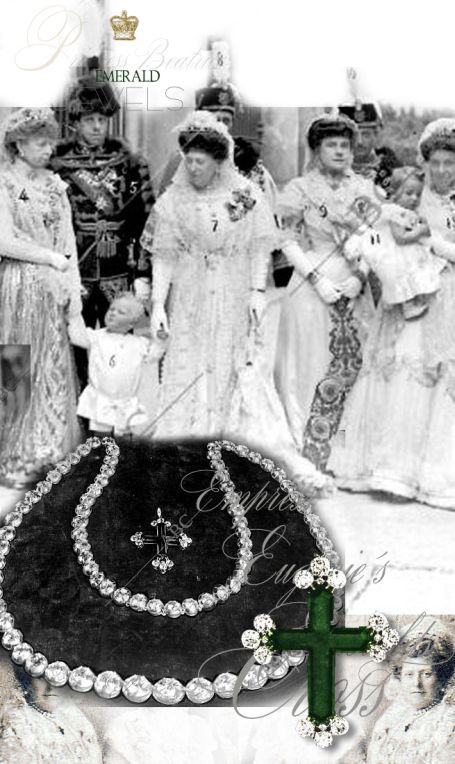

Andean Cross famous history of an important emerald cross
The future Queen Mary and her marriage presents, a mystery is solved…
In the honeymoon the Duchess of York was at Osborne and wrote to her mother, about her jewels which she wore, sometimes she used a brooch as head ornament, she noted in her letters, as the „Hampshire pendant brooch“ and the „Richmond pendant“
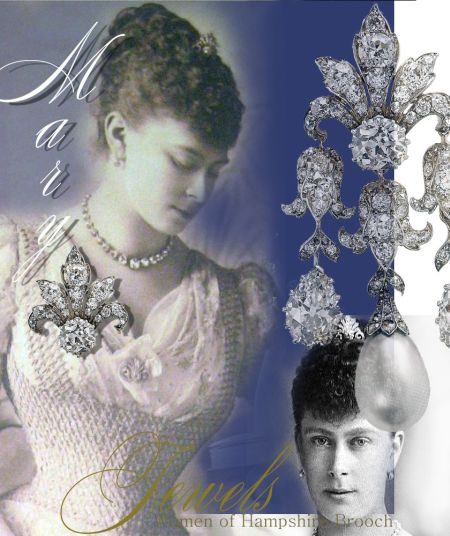
Queen Mary Royal Jewels | The Woman of Hampshire Diamond Brooch>>
The Queen’s Jewels – Funeral Brooch Prince Philip Duke of Edinburgh – the story
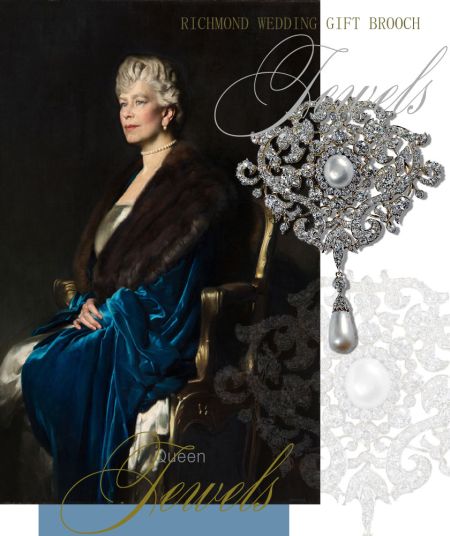
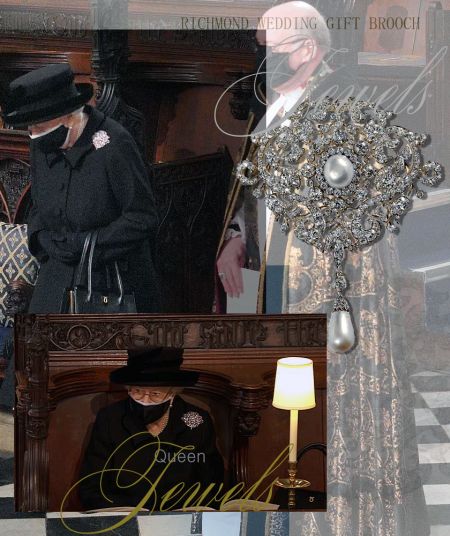
Devonshire Ball Diamond Jewels Royal Jewels|Pearl Necklace Queen Mary Marriage Presents
The history of a royal wedding gift!
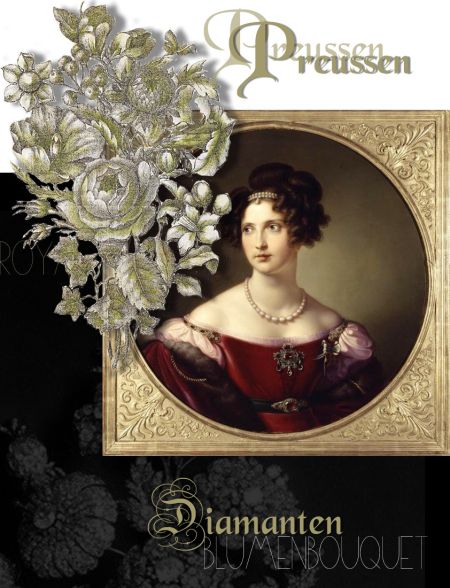
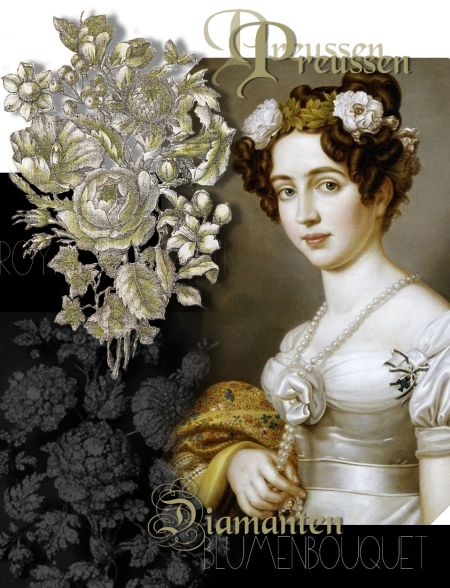
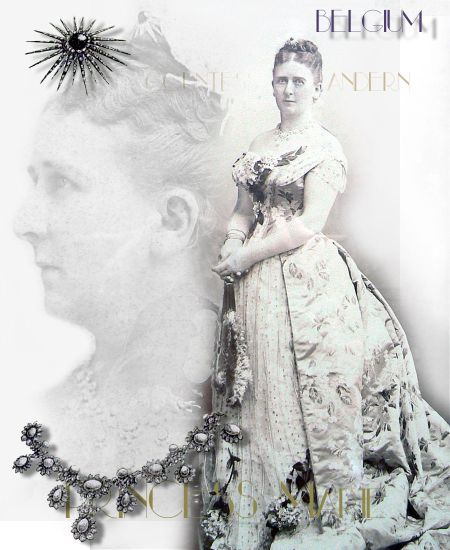
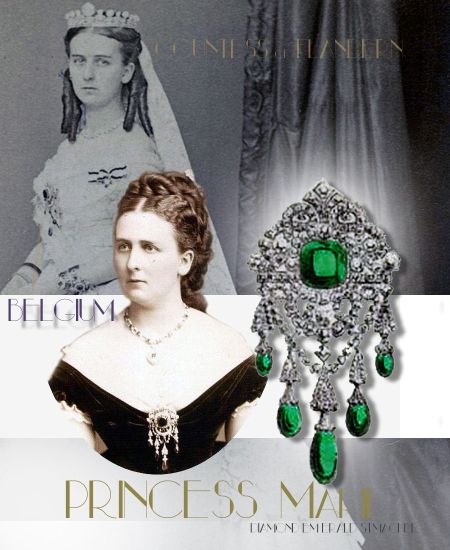
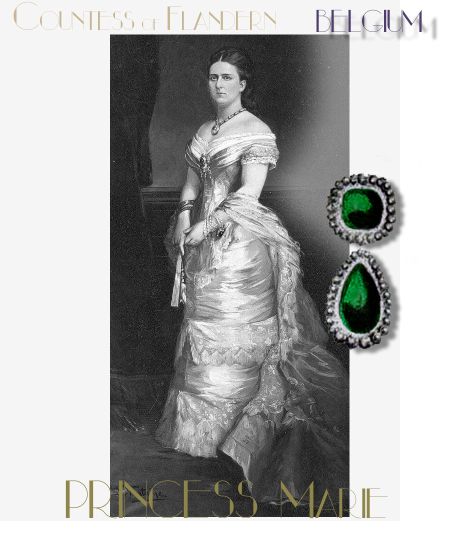
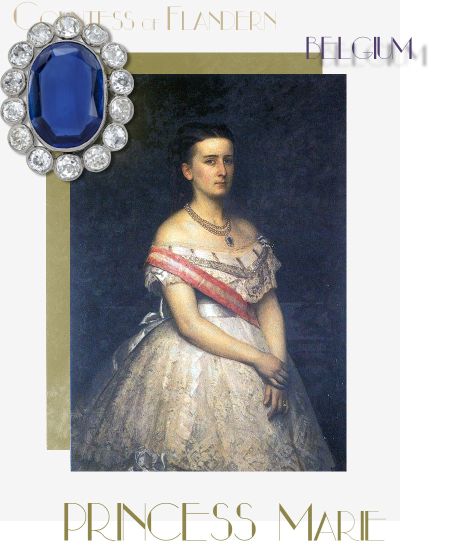
Der Badische Beobachter von 1867 schreibt: Die Edelsteine, welche der Graf von Flandern seiner jetzigen Gemahlin Marie Luise zu Hohenzollern als Brautgeschenk überreicht hat, repräsentieren einen Werth von 1,000,500 Franken. Diese Kleinodien bilden einen Theil des Schmucks der Prinzessin Charlotte, der ersten Gattin Leopold’s I. von Belgien, welcher sie dem Grafen von Flandern schenkte. Der Graf besitzt übrigens eine große Auswahl von Edelsteinen, darunter ein Malteserkreuz, welches 1408 Brillanten enthält.
Find out more about the jewelry of the Countess of Flanders…
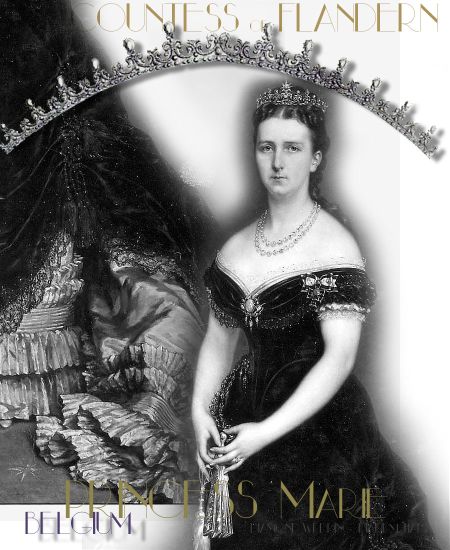
Maria Vittoria dal Pozzo della Cisterna 1847-1876 war Königin von Spanien (1870–1873) und Herzogin von Aosta (1867–1876).
Maria Vittoria dal Pozzo wurde in Paris als älteste Tochter von Carlo Emmanuele dal Pozzo, 5. Fürst von Cisterna, und dessen Gemahlin Louise Caroline Ghislaine, Gräfin von Mérode, geboren. Nach dem Tod ihres Vaters 1864 erbte sie dessen Titel und wurde so Fürstin von Cisterna und Belriguardo, Marchesa von Voghera und Gräfin von Ponderano.
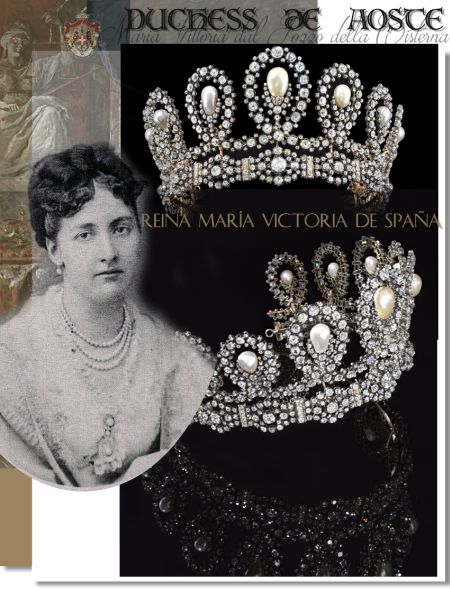
Am 30. Mai 1867 heiratete sie in Turin Amadeus, Herzog von Aosta den zweiten Sohn des italienischen Königs Viktor Emmanuels II. mehr dazu:
Als ihr Gemahl am 16. November 1870 zum spanischen König gewählt wurde, avancierte sie zur spanischen Königin. Sie widmete sich vor allem wohltätigen Projekten. Ihr Gatte dankte bereits 2 Jahre später, am 11. Februar 1873, ab.

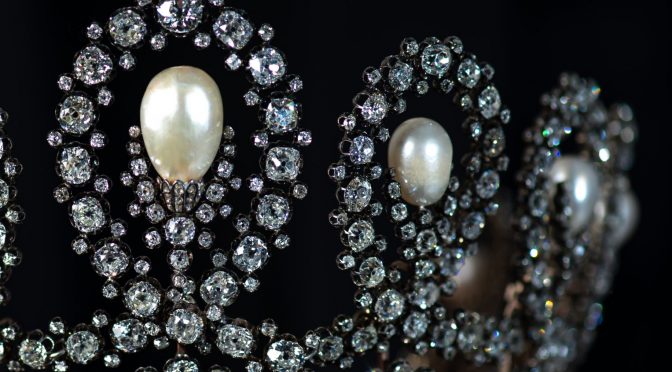
Im Frühjahr wird diese prachtvolle Tiara, welche sich seit Generationen im Besitz der königlichen Familie von Italien befindet, die Auktion „Magnificent Jewels and Noble Jewels“ bei Sotheby’s am 11. Mai 2021 in Genf anführen. Verwurzelt mit der glanzvollen Geschichte des Hauses Savoyen, das zu den ältesten Herrscherhäusern der Welt zählt, ist das mit Naturperlen und Diamanten besetzte Prunkstück eine der bedeutendsten Diademe, welches in den letzten Jahren auf dem Markt gekommen ist. Die Tiara ist geschätzt auf $ 1 Million bis 1.5 Millionen (CHF 930.000-1.395.000)
.:::::::::::::
:::::::::::::
::::
The price on 12 May 2021 at Geneva CHF 1,770,000 Coroa de diamantes e safiras da rainha Maria II
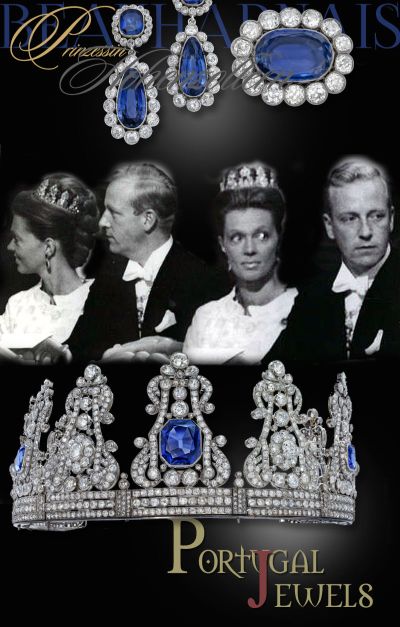
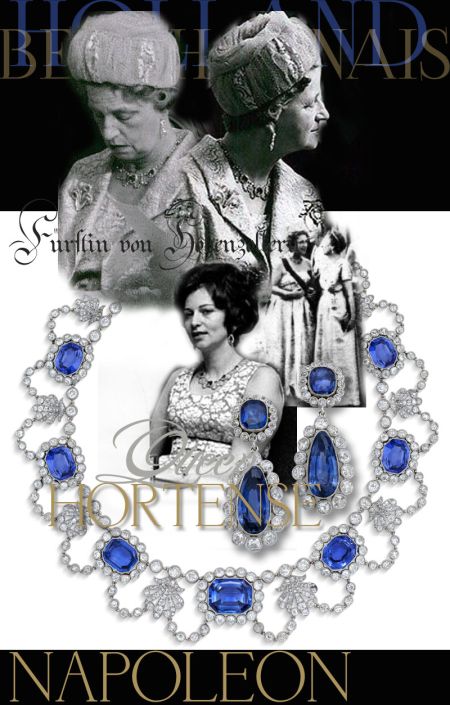
CHF 437,500 the Sapphire and Diamond Necklace
CHF 56,250 the Sapphire and Diamond Pendant
CHF 37,500 2nd Sapphire and Diamond Pendant
CHF 75,000 the large Sapphire and Diamond Brooch
CHF 20,000 smaller Sapphire and Diamond Brooch
CHF 175,000 the Sapphire and Diamond Earrings
CHF 112,500 the Sapphire and Diamond Bracelet
CHF 77,500 the Sapphire and Diamond Ring