England Great Britain U.K. United Kingdom of England Scotland Wales and Ireland English history Royal Jewellery & Aristocratic Jewels antique jewellery historian, Mountbatten, the Queen, crown jewels, Princess, windsor, house of windsor,
royal royalty royalfamily royaljewels diamond tiara queenvictoria duchess of york history england uk britain monarchy britishmonarchy britishroyals britishroyalfamily
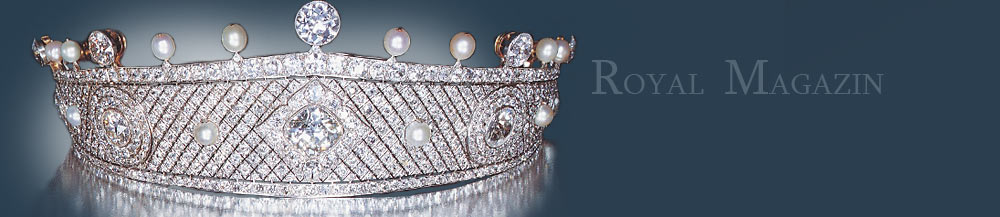
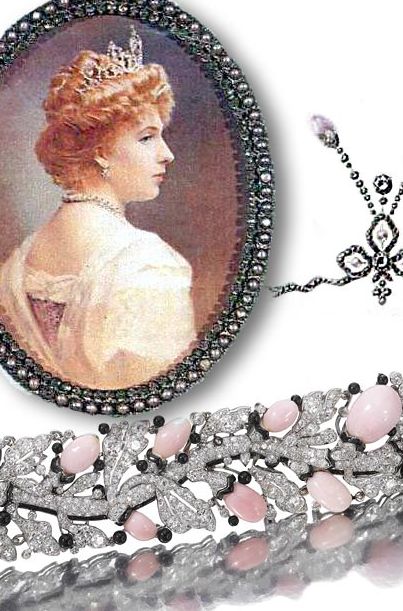
Alexandra Duchess of Fife| Wedding Jewels Diamond Tiara|Princess Arthur of Connaught Hochzeits Schmuck Diamant Diadem der Prinzessin Arthur von Connaught | Herzogin von Fife
Royal Marriage in 1913
The presents to Prince Arthur of Connaught and the Duchess of Fife came from every member of the Royal family in England, as well as from other givers:
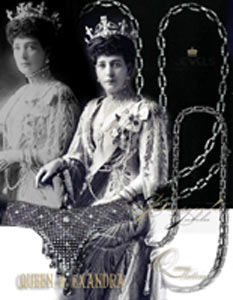
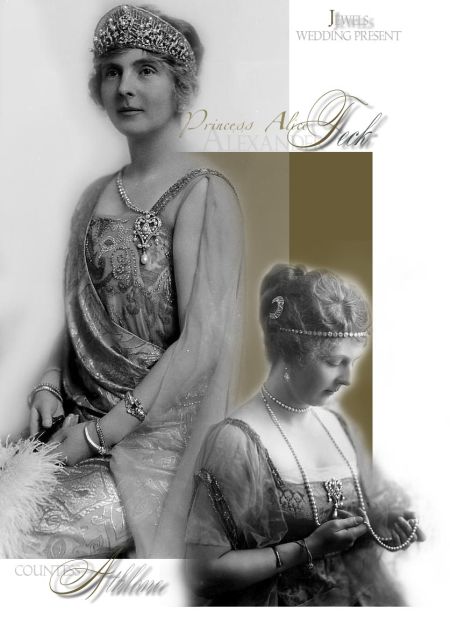
it pathed to the next generation, Queen Alexandra which wore it in severel ways as ornaments – and as long chain – it must be in total1,60m for a length of 80cm worne on her dress, which she wore on the occassion of the wedding of her granddaughter Alexandra McDuff
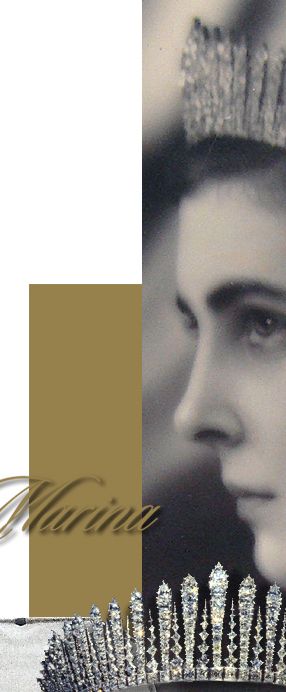
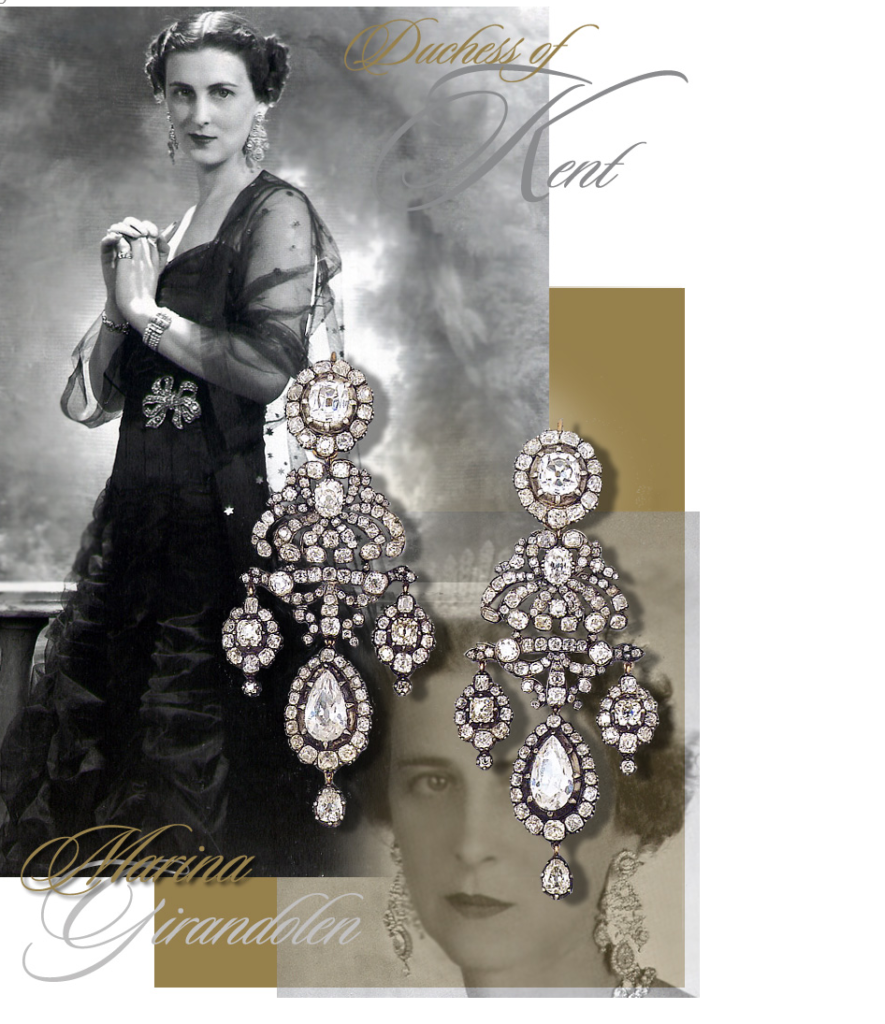
Royal diamond brooch| The Argyll Daisies Brooches – Duchess Marina’s daisies brooch – diamond flower brooch|Duchess of Kent |Princess Louise Duchess of Argyll
Countess Nadejda Mikhailovna (Nada) de Torby| Battenberg| Milford-Haven| Mountbatten | Gifts Royal Wedding
The Grand Duke Michael of Russia gave his daughter away and Lord Burghersh was the best man, on the wedding of Prince George of Battenberg to Countess Nada Torby in 1916.
A service was held at the Russian Church and a further ceremony at the Chapel Royal St James Palace on 15th November.
The King and Queen as well as Royal and Imperial Guests attend and the bride is presented with over 200 gifts, and jewels
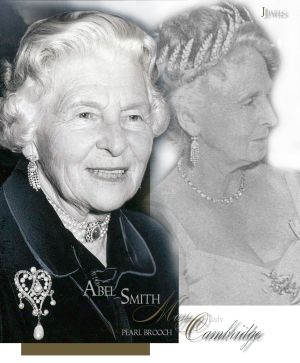
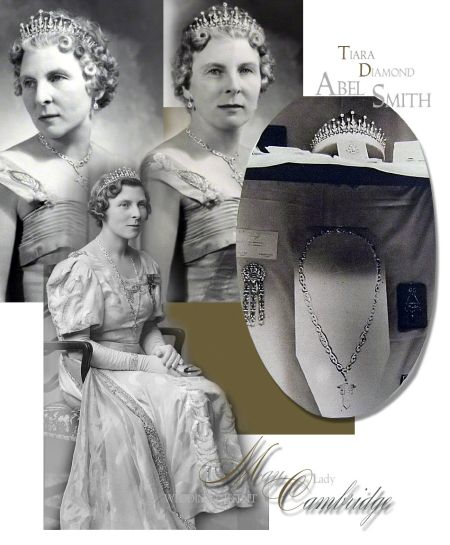
Lady May Cambridge | Abel-Smith | Wedding Royal Marriage | Jewels
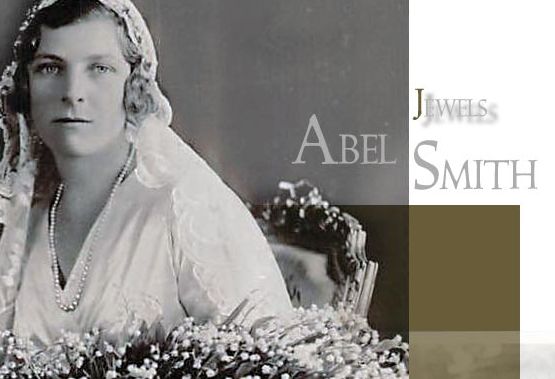
Lady May Cambridge, born as Princess of Teck, was married to Captain Abel Smith at the 16th century village church of Balcombe
The daughter of Princess Alice Countess of Athlone and the Earl of Athlone, who arrived ten minutes late, broke a centuries-old tradition by omitting the word ‚obey‘ from the marriage vows, this being because, after aconsultation with her parents , she adopted the service from the new PrayerBook, which does not contain this word,thereby establishing an innovation for royal brides. ‚Lady May Will Not Obey‘ was the tactless page-wide rhyme with which an evening paper headed the account of the ceremony.In the presence of the Queen, the Prince of Wales, Prince George, the Duke of Gloucester, the Duchess of York and other members of the Royal family, .
Thousands of sightseers from every where concentrated in Balcombe village early this morning, and cheers, drowning the. pealing of the bells, greeted the Queen, the Prince of Wales and Princess Alice as they walked up the church path. Distant trumpets heralded the approach of the bride in a dark-blue car,. in which she sat with her parents, clasping the hand of her soldier father,the Earl of Athlone, as she passed through a two-mile avenue of cheering well-wishers. Her bouquet comprised lilies of the valley and her pale satin gown looked like lily petals. She was a lily bride more about the Jewels and royal wedding gifts
Tiara Diamond Tiara Diadem |Lady May Cambridge Marriage | Royal gifts Jewels | Abel-Smith
Hochzeitsgeschenk Princessin Beatrice an Ihre Tochter |Diamond and Pink Conch Pearls Necklace Pendant and Aigrette | Wedding Presents from Princess Beatrice
Die Geschichte der Juwelen von Königin Victoria Eugenie –
Die Hochzeitsgeschenke der Prinzessin Luise von Wales, nunmehrigen Gattin des Herzogs von Fife, representieren, nur was die Juwelen anbetrifft, einen Gesamtwert von Pfund Sterling(etwas über 5 Millionen Mark). Die kostbarsten stammten von dem
Prinzen und der Prinzessin von Wales, den Rothschilds und Sassoons, dem Herzog und der Herzogin von Westminster, der Herzoginnen von Manchester und Hamilton, der amerikanischen Millionärin Mackay und dem Bräutigam selbst. Der Prinz und die Prinzessin von Wales gaben ein großes Diamantdiadem, Lord und Lady Rothschild ein Gehänge mit einem riesigen Goldberyll, dessen Wert sich auf mehrere tausend Pfund Sterling beläuft, die Herren Alfred und Leopold v. Rothschild ein Halsband aus Diamanten und Rubinen, die einzig in ihrer Art sein sollen: die Herzoginnen von Manchester und Hamilton einen Halbmond aus sogenannten brasilianischen Diamanten, die Freunde des Herzogs und der Herzogin sieben Brillantsterne, als Schmuck im Haare zutragen, die Freundinnen der Herzogin ein Diamantenarmband: Lord und Lady Rosebery ein Armband aus großen Diamanten und Saphiren, die
Prinzessin Helene von Orleans eine Goldbrosche mit einer Diamanten besetzten Lilie, die Lieferanten des Prinzen von Wales ein mit ungeheuren Brillanten besetztes Armband. Daneben gab es außer Geschmeiden noch zahlreiche andere Geschenke. So verehrte die Kaiserin Eugenie dem Brautpaar einen versilberten Blumenstrauß nach altem flämischen Muster, Sir R. Wallace, der Besitzer der berühmten Gemäldegalerie, ein gewichtiges goldenes Tintenfaß, der Baron Hirsch – glücklicher
Unternehmer der türkischen Eisenbahnen schenkte ein juwelenbesetztes Karten-
Etui.
Der Prinz L. Esterhazy eine Riechflasche mit den Initialien der Prinzessin in Brillanten, Herr H. Farquhar, ein Freund des Bräutigams, eine Reisetasche mit kostbarer Einlage. Fächer, Uhren, Papiermesser, kurzum alles, was aufzutreiben war, fand sich unter den Brautgeschenken, die in dem Speisesaal von Marlborough House aufgestellt waren. — Es dürften auch die Hochzeitstoiletten interessieren.
Die Braut trug ein weißes spitzenbesetztes Atlaskieid, daß am Halse herzförmig ausgeschnitten und mit einem Marie-Antoninette-Kragen verziert war, darüber einen Spitzenschleier, der ihren Orangenblütenkranz verdeckte. Ihr Geschmeide bestand in einem Perlenhalsband und einem Brillantenarmband, einem Geschenk ihres Bräutigams.
Die Brautjungfern, die Prinzessinnen Maude und Victoria von Wales, Luise und Victoria von Schleswig-Holstein, Victoria von Teck und die Gräfinnen Feodora, Victoria und Helena von Gleichen, die Töchter des Prinzen Victor von Hohenlohe trugen blaßrote Kleider, am Halse in V-Form geöffnet, Rosen im Haar und gleich der Braut Perlenhalsbänder und Brillantenarmbänder, geschmückt mit den Anfangsbuchstaben
des Brautpaares ‚L‘ and ‚F‘, und den beiderseitigen Wappen. Letztere waren ein Geschenk des Bräutigams, der für Geschmeide, sowie für die Sträuße zu sorgen hat.
Weitere Details zu den Hochzeitsgeschenken, dem Schmuck und königlichen Juwelen:
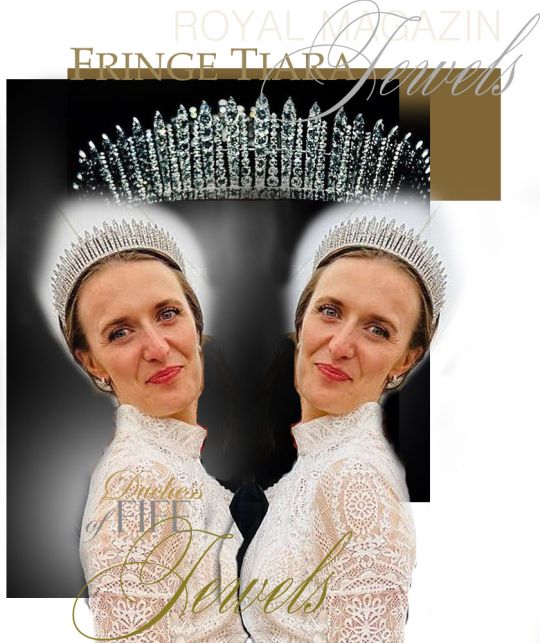
The Fife Fringe Tiara
More Details to the wedding gifts and royal bride | the Princess Royal you find in the follow links – in english too:
The now Lady George Carnegie wore the Fife Fringe Tiara, a gift to Princess Louise, Duchess of Fife from her parents King Edward VII and Queen Alexandra in 1889.
Fife Fringe Tiara – Wedding Lord Hugh Carnegie and Catherine Morgan 2025 August royal wedding picture:x
Lord Hugh Carnegie, youngest son of the Duke and Duchess of Fife married in at Kinnaird Castle, Brechin, Catherine Morgan . Lord Carnegie’s bride in the year 2025 wearing the family heirloom diamond kokoshnik
Culture Minister steps in to prevent Queen Victoria’s coronet from export
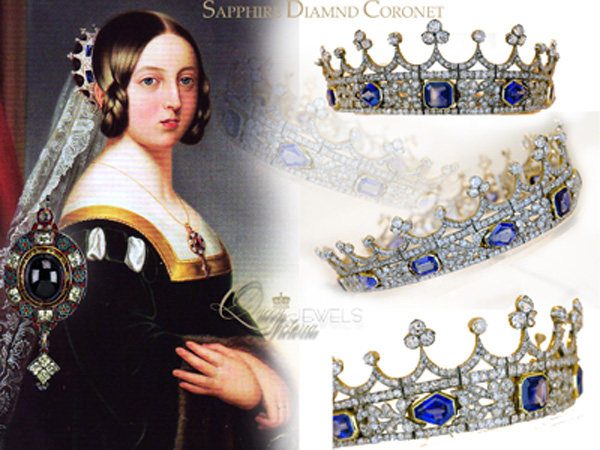
Culture Minister Matt Hancock has placed a temporary export bar on Queen Victoria’s sapphire and diamond coronet to keep it in the country.
Queen Victoria’s sapphire and diamond coronet designed by Prince Albert is at risk of being exported from the UK unless a buyer can be found to match the asking price of £5 million (plus £1m VAT).
The coronet is considered one of the most important jewels of Queen Victoria’s reign. It was designed by Prince Albert for her in their wedding year 1840. As a young queen, she loved coloured gemstones, an interest which notably faded following Prince Albert’s death in 1861.
The coronet matched the sapphire and diamond brooch that Albert gave to her the day before their wedding. She even noted in her journal “My dear Albert has such good taste and arranges everything for me about my jewellery.” Most of the stones came from jewellery given to Victoria by King William IV and Queen Adelaide. The goldsmith behind the coronet was Joseph Kitching, who made it for £415.
Following Albert’s death in 1861, Queen Victoria refused to attend the State Opening of Parliament until 1866 when she wore the coronet, likely as a reminder of her husband, instead of her coronation crown, which she noted had hurt her a great deal during her coronation.
The coronet and the brooch also feature in one of the most famous official portraits of the young Queen Victoria. In 1842, Franz Xaver Winterhalter painted his first portrait of the Queen, in which she wears the coronet wrapped around her hair. This painting became one of the defining images of the Queen not only in Europe and the Empire, but throughout the world
Culture Minister Matt Hancock said:
Queen Victoria’s coronet is stunning. It is one of the most iconic jewels from a pivotal period in our history and symbolises one of our nation’s most famous love stories. I hope that we are able to keep the coronet in the UK and on display for the public to enjoy for years to come.
The coronet was given by King George V and Queen Mary to Princess Mary, Countess of Harewood on her marriage to Viscount Lascelles in 1922. As personal property of the Lascelles family it passed on to her son and heir, the 7th Earl of Harewood (George Lascelles) and eventually the 8th Earl. It was sold 2011-2012 to an dealer, mostly likely to raise money to pay for inheritance tax , who sold it to the export licence applicant. The Coronet in video
The decision to defer the export licence follows a recommendation by the Reviewing Committee on the Export of Works of Art and Objects of Cultural Interest (RCEWA), administered by The Arts Council.
The RCEWA made its recommendation on the grounds of the coronet’s close connection with our history and national life and its outstanding significance for the study of the young Queen Victoria.
RCEWA member Philippa Glanville said:
Key to the self-image of the young Victoria, this exquisite coronet was designed by her husband Prince Albert. Worn in her popular state portrait by Winterhalter of 1842, the year it was made, its combination of personal meaning and formality explains why she chose to wear it in 1866, emerging from mourning for the State Opening of Parliament. It evokes vividly the shared romantic taste of the time, and its form has become familiar through many reproductions. Its departure would be a great loss, given its beauty, its associations and its history.
The decision on the export licence application for the coronet will be deferred until 27 December 2016. This may be extended until 27 June 2017 if a serious intention to raise funds to purchase it is made at the recommended price of £5 million (plus £1m VAT).
Organisations or individuals interested in purchasing the coronet should contact the RCEWA on 0845 300 6200.
27.July 2017 – After one year of battle – the coronet are sold to William Bollinger an Irish-American hedge fund tycoon, who donated the historc piece to the Victoria and Albert Museum.
This jewel tells a very special story
– history of the Sapphire and Diamond Coronet in details from the Royal Magazin:
Queen Victoria’s Sapphire Coronet|Victoria small sapphire crown| The Princess Royal’s Sapphires Queen Victoria’s tiara was designed by Prince Albert as a gift in 1842
Schmuck und Juwelen der Deutsche Fürstenhäuser | Royal Jewels – Historical Jewerly and Treasure of Royals and Aristocracy | bijoux historiques| исторические драгоценности